

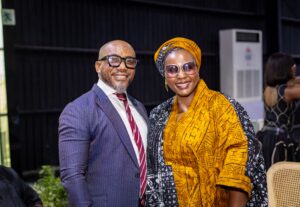
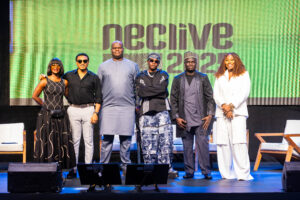
J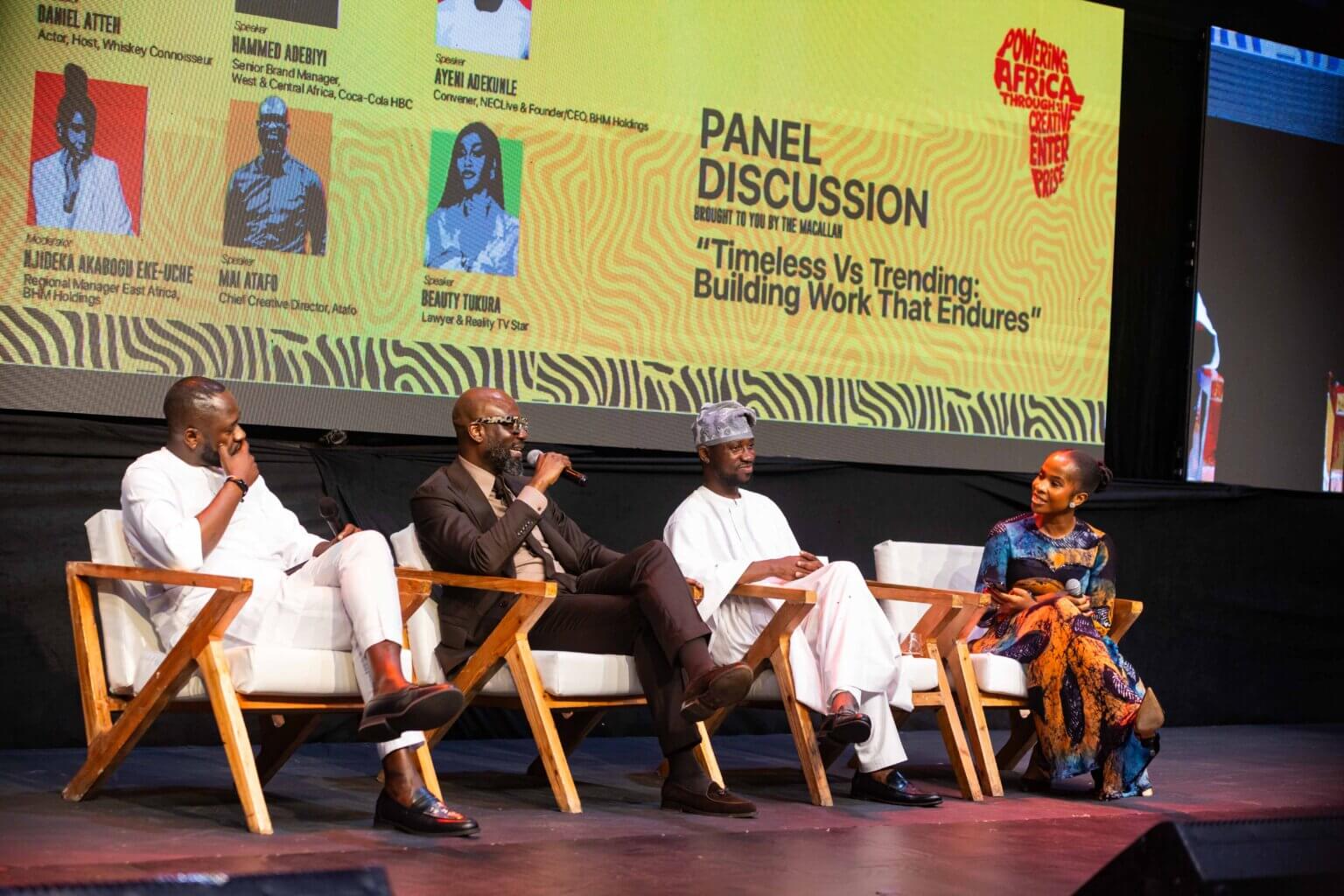 NECLive 2025, concluded on Friday, November 28, 2025, at the Landmark Events Centre in Lagos, marking another milestone in its 13-year history of shaping Africa’s entertainment landscape.
Under the theme “Powering Africa Through Creative Enterprise,” the conference hosted by Tee A and Bolanle Olukanni brought together over 50 participants, including Steve Babaeko, A’isha Umar Mumuni, Atinuke Babatunde, and Colette Otusheso, for a day of transformative conversations about turning Africa’s cultural dominance into sustainable economic power.
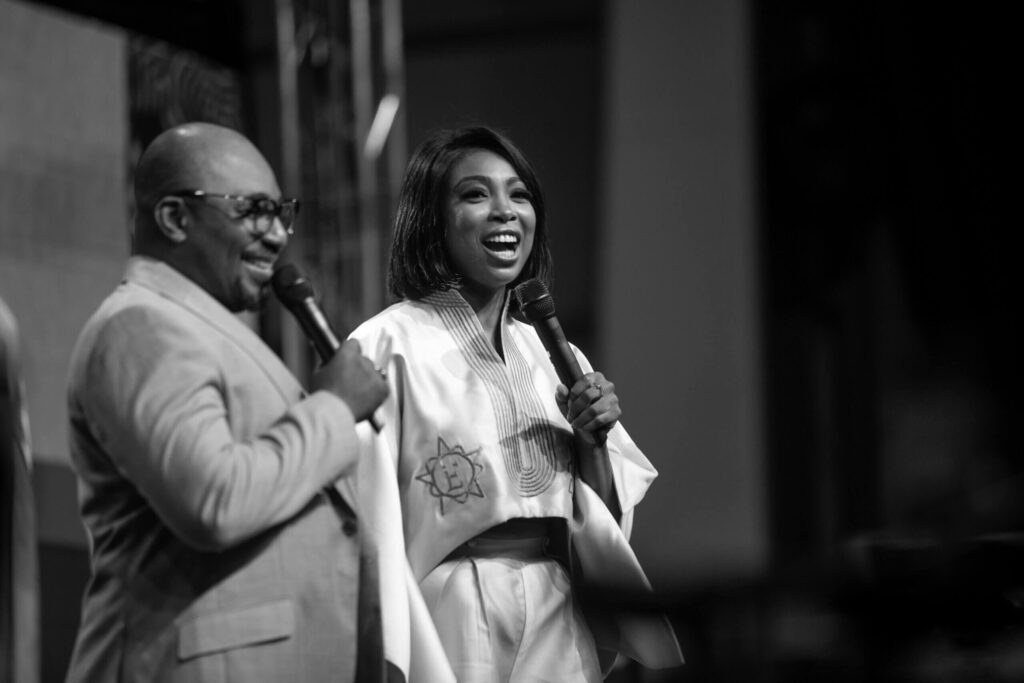
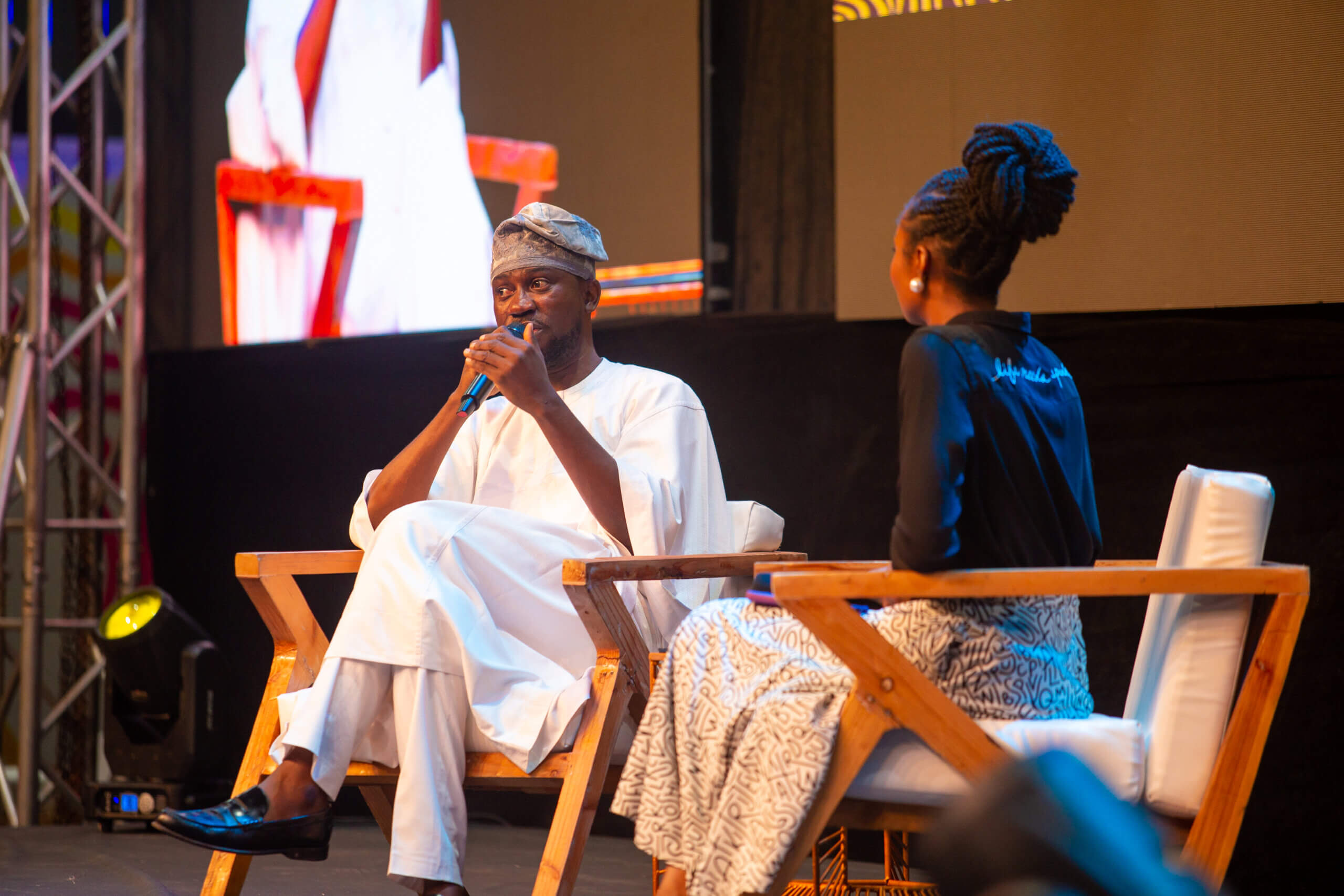
Ayeni Adekunle emphasised the importance of building awareness and investment: “We need more forums like this. Thirteen years ago, when we started NECLive, it was the only one. Today, there is a conference every other day, and it’s good. The more awareness there is, the more investment there is, the more we can build.” He also revealed plans to announce a fund next year to support young creators and innovators who lack access to conventional financing, signalling NECLive’s continued commitment to actionable solutions beyond dialogue.
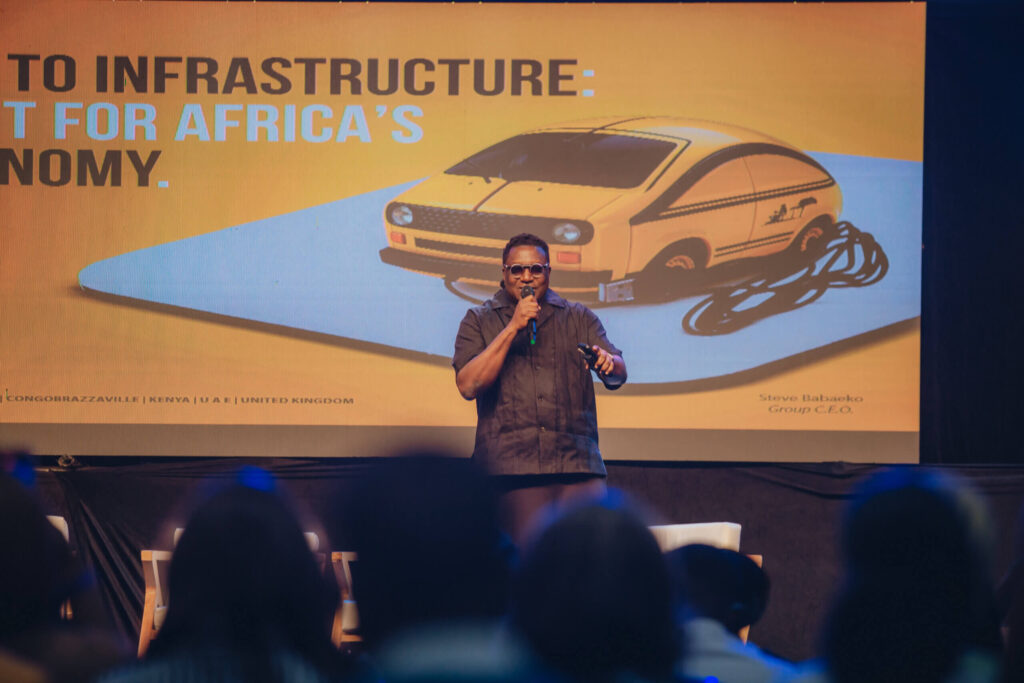
In his keynote address, Steve Babaeko, CEO of X3M Ideas, highlighted the ingenuity and challenges of Nigeria’s creative sector. While critics sometimes focus on Nigeria’s limitations, the talent and determination of its people remain extraordinary. However, he warned that the country’s creative economy, contributing only 1.2 per cent to GDP, cannot rely solely on individual hustle.
The panel session, “Building Creative Infrastructure to Power Africa’s Economic Growth,” brought together Steve Babaeko, Moliehi Molekoa, Shaibu Husseini, and Colette Otusheso, moderated by Seyitan Atigarin examined what effective infrastructure looks like for film, music, art, design, and advertising, providing practical guidance for creatives, investors, and stakeholders on building ecosystems that nurture talent and drive long-term impact.
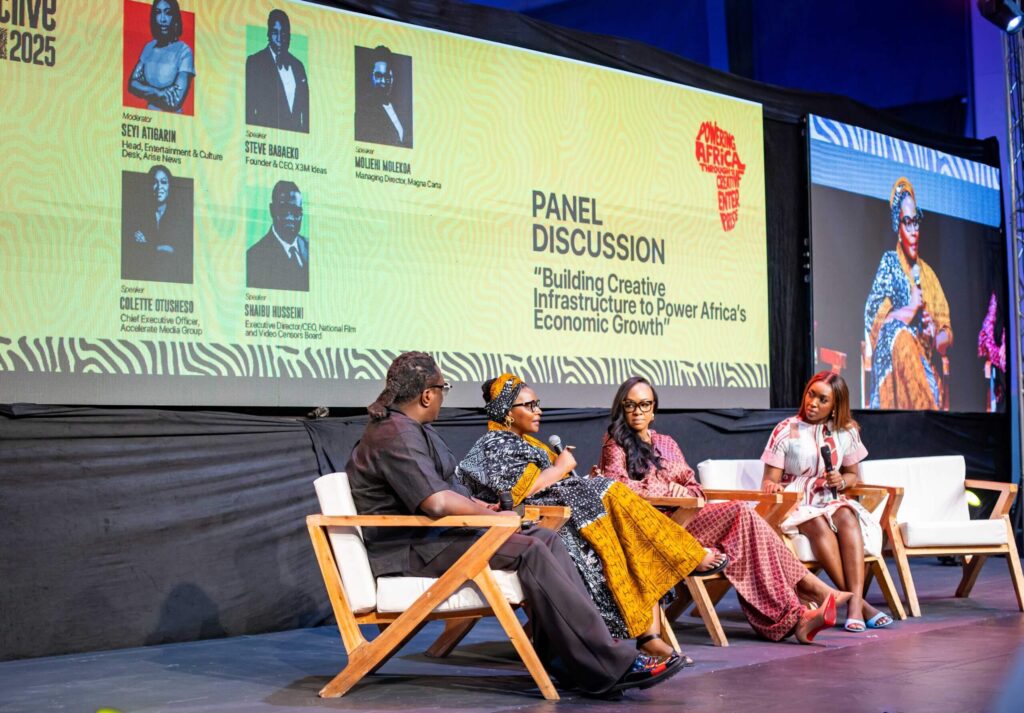
Colette Otusheso explained the kind of infrastructure that can allow young creatives to thrive using the model at Accelerate Media Group: “Infrastructure in terms of creating a place where people can grow, a space for collaboration and learning. One of our biggest challenges is not having the infrastructure for them to learn in the creative sector.”
A’isha Umar Mumuni, Chief Digital Officer at MTN, delivered a compelling presentation addressing Africa’s position in the global creative economy. She highlighted Africa’s abundant talent and cultural capital while addressing the continent’s current lack of full access to the global creative economy. She emphasised the policy, business, storytelling, and technological changes needed to position Africa as a global creative exporter.
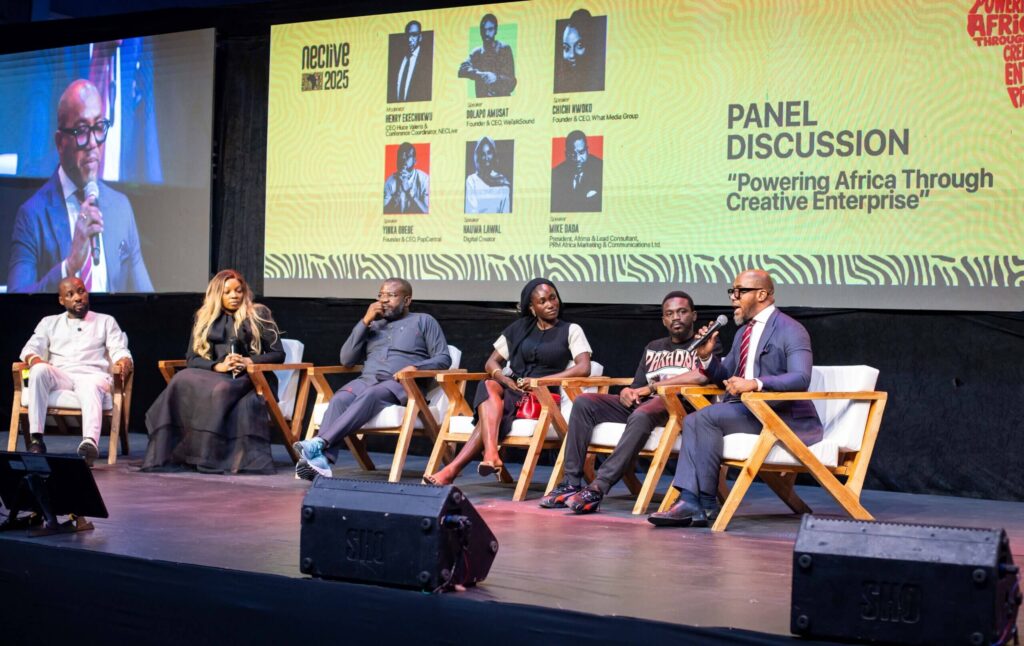
Another panel session, “Accessing the Global Creative Innovation in a Digital Economy,” featured critical discussions on diaspora markets and value retention. Dominique Ntirushwa, CEO of Streampay Platforms Africa, stressed the need to reduce data costs for African consumers, explaining that affordable streaming remains one of the biggest barriers to digital participation.
MTN’s Funso Finnih noted the need for “building dams”—the core infrastructure needed to enhance distribution, access, and monetisation. “African content is now exported globally through music, fashion, and gaming, but the continent is still not extracting enough value from these exports.”
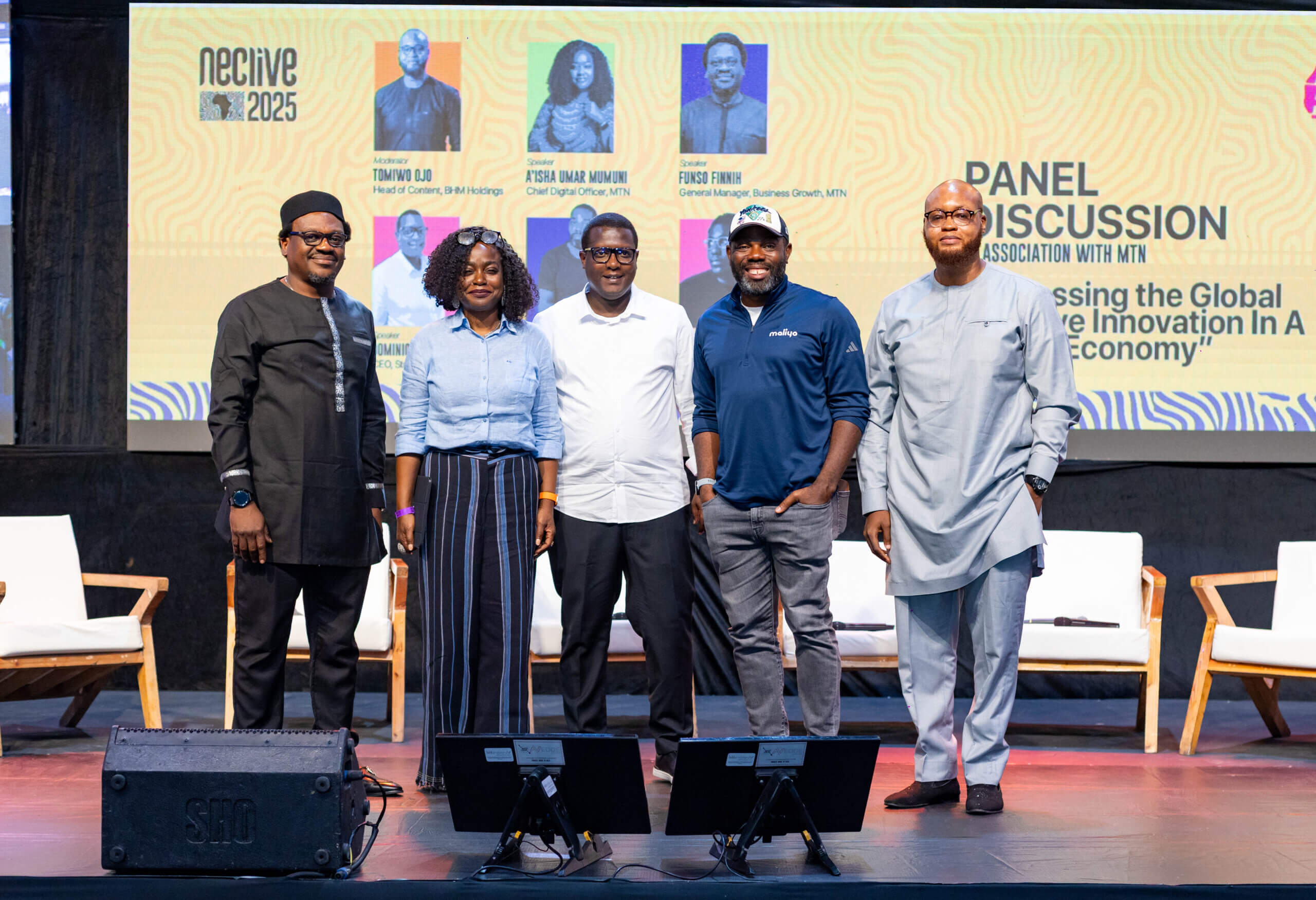
A standout moment came during the “Funding the Creative Enterprise Ecosystem” panel, moderated by Gbemi Olateru-Olagbegi, where music artist Ayo Maff revealed his transition into acting after being cast in Chris Ihidero’s upcoming movie. “I wanted to see myself in a movie,” he shared, discussing how years of shooting music videos inspired his film debut. His story exemplified the rising wave of multidisciplinary artists in Nigeria’s entertainment landscape.
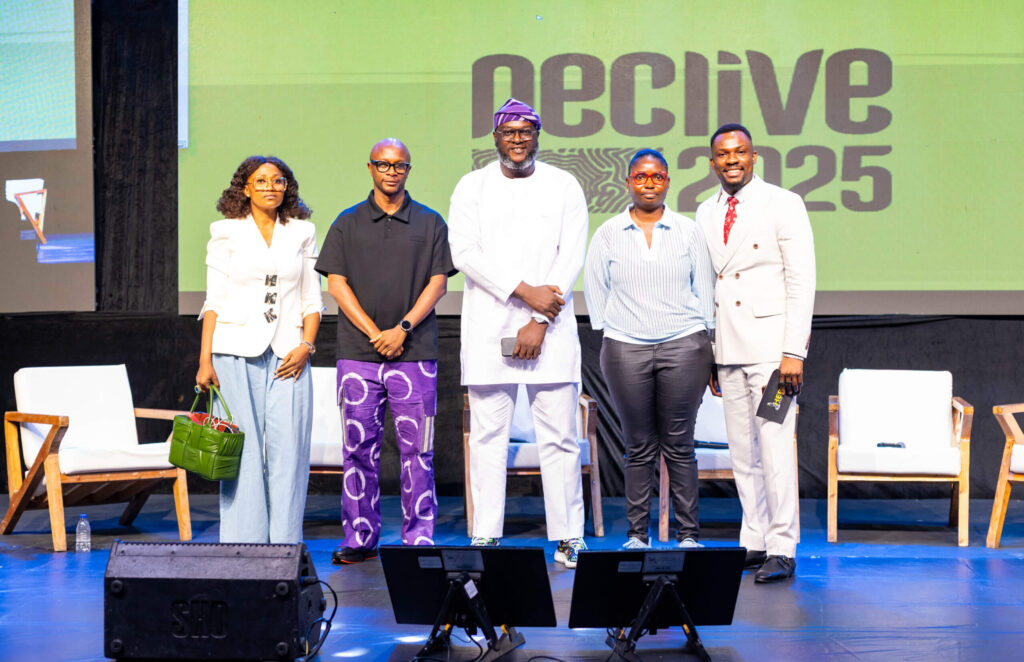
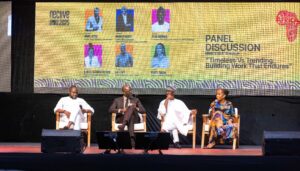
The “Timeless Vs Trending: Building Work That Endures” panel featured Daniel Atteh as educator, with panellists Hammed Adebiyi, Mai Atafo, and NECLive founder Ayeni Adekunle. Moderated by Njideka Akabogu Eke-Uche, the session examined how to balance timeless craftsmanship with fast-moving trends to create enduring creative work that influences culture and storytelling across industries.
Atinuke Babatunde, Head of Content at MultiChoice West Africa, delivered a powerful address on why Africa’s economic future depends on its creators, highlighting the creative sector’s potential to generate jobs, build global brands, and reshape the continent’s narrative. A dedicated panel session in partners hip with MultiChoice featured Kola Omotosho, Victor Agahowa, Atinuke Babatunde, and Emmanuel Adejo.
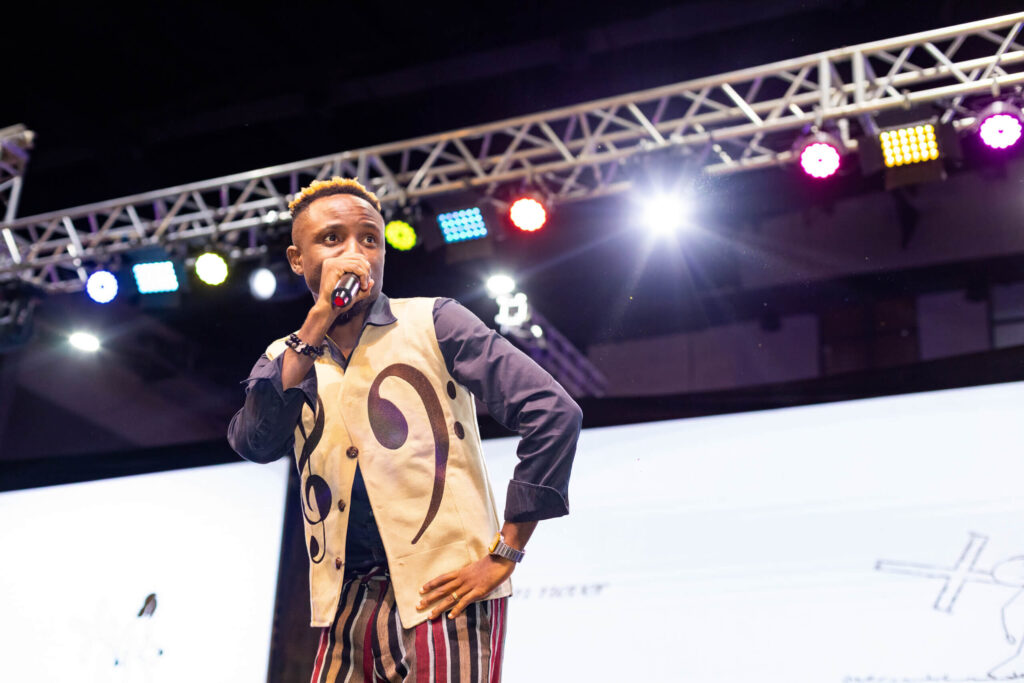
The afternoon sessions were energised by Gaise Baba, who performed his 2025 viral track “No Turning Back. and Ekemini Ekerette, who led a masterclass on “Fitness, Wellness & Creativity,” highlighting the role of physical and mental well-being in sustaining creativity—a critical conversation often overlooked in discussions about creative enterprise.
NECLive 2025 was brought to you by Nigerian Entertainment Today and the Africa Creative Foundation, in association with ID Africa, BHM, and Huce Valeris. Major sponsors included MultiChoice, MTN Nigeria, First Bank, and The Macallan.
Speakers and panellists consistently emphasised that while Nigeria’s creative economy is worth over $4.2 billion annually and African talent is gaining unprecedented global recognition, significant challenges remain. Infrastructure gaps, funding limitations, weak intellectual property protection, and distribution issues persist, preventing the continent from capturing its full share of the $2.25 trillion global creative economy.
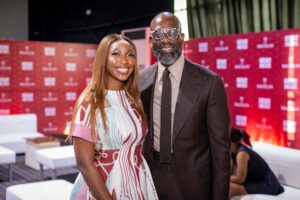
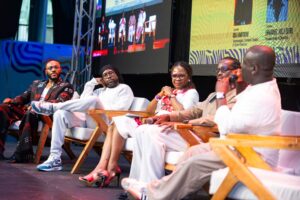
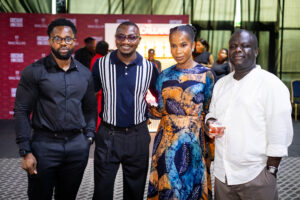
However, NECLive 2025 made one thing abundantly clear: the conversation has evolved from whether Africa’s creative industries can compete globally to how quickly the continent can build the infrastructure, policies, and investment frameworks needed to capture and retain the value its creators generate. As Ayeni Adekunle stated in his opening remarks, “My dream and vision is that we can build at scale, and we are not just longing to be a part of what Hollywood has. I want us to perform at such a scale that we are a force to be reckoned with, and we are on the way there.”
With the announcement of an upcoming fund to support young creators and the continued expansion of platforms like NECLive, Africa’s creative economy is not just rising—it’s building the foundation to dominate. The future isn’t just bright; it’s already being constructed, one conversation, one partnership, and one bold vision at a time.
For those who missed the event, comprehensive coverage is available on nec.ng, thenet.ng, and their social pages.